The Langtang ,Gosaikunda and Helambu Trek is one of Nepal’s most scenic and culturally rich trekking routes, usually taking around 16 days. The journey begins with a drive from Kathmandu to Syabrubesi and continues through the beautiful Langtang Valley and Kyanjin Gompa, where trekkers can explore the surrounding mountains and climb Tserko Ri for spectacular Himalayan views. The trail then descends before heading toward Thulo Syabru, Sing Gompa, and the sacred Gosaikunda Lake. From Gosaikunda, the trek crosses the challenging Laurebina Pass at about 4,610 meters and continues through Ghopte, Tharepati, and the picturesque villages of Helambu, including Tarkeghyang and Sermathang. The trek finally ends at Melamchi Bazaar, from where trekkers return to Kathmandu. Along the way, trekkers experience stunning mountains, forests, high-altitude lakes, traditional villages, Buddhist culture, and the warm hospitality of the local communities.
The Langtang Gosaikunda and Helambu trek is an exciting trip to the Himalayan area of Nepal. During the journey, we will walk through beautiful forests, villages, rivers, and mountain trails. We will visit Kyanjin Gompa, Gosaikunda Lake, and the Helambu region while enjoying the amazing views of the Himalayas. The main purpose of our trip is to explore the natural beauty of the Himalayan region, learn about the culture and lifestyle of local people, and gain a new experience through trekking. We also want to develop teamwork, confidence, and a sense of adventure while spending time in nature. This journey will be both educational and enjoyable, and it will create many memorable experiences for us.
Go to Himalayan offers an exciting opportunity to explore the beautiful Himalayan region of Nepal through the Langtang, Gosaikunda, and Helambu Trek. This journey is designed for adventure lovers who want to experience the natural beauty of the mountains, visit peaceful villages and monasteries, and learn about local culture and lifestyle. The trek also provides an opportunity to enjoy breathtaking Himalayan views, explore Gosaikunda Lake, and experience the adventure of trekking at high altitude. Our main purpose is to enjoy nature, gain new experiences, develop teamwork and confidence, and create unforgettable memories in the Himalayas.
Best Seasons
The Langtang, Gosaikunda, and Helambu Trek is best undertaken during spring (March to May) and autumn (September to November). These seasons offer favorable weather, clear skies, stable trekking conditions, and excellent views of the Himalayan mountains. Spring also provides an opportunity to enjoy blooming rhododendrons, while autumn is known for clear mountain scenery following the monsoon. Winter (December to February) can be extremely cold with snow at higher elevations, while monsoon (June to August) brings rainfall, slippery trails, and reduced mountain visibility. For the most comfortable and rewarding trekking experience, spring and autumn are highly recommended.
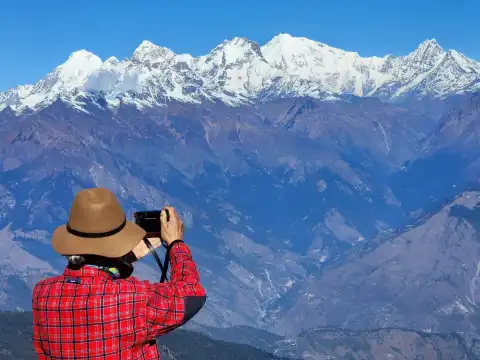
During the 16-day Langtang Gosaikunda and Helambu Trek, you can expect an exciting journey through the beautiful Himalayan region of Nepal. You will enjoy spectacular views of snow-covered mountains, peaceful forests, rivers, waterfalls, and traditional mountain villages. The trek takes you to Kyanjin Gompa, Gosaikunda Lake, and the Helambu region, where you can experience the local culture and lifestyle. You will also cross the challenging Laurebina Pass and enjoy breathtaking views from high-altitude areas. This trek is not only about adventure but also about learning, teamwork, nature, and experiencing the warm hospitality of local people. Overall, you can expect a memorable and rewarding Himalayan experience filled with beautiful scenery, cultural exploration, and exciting trekking adventures.
To prepare for the 16-day Langtang Gosaikunda and Helambu Trek, we should improve our physical fitness by walking, jogging, and doing regular exercise. We should practice hiking before the trip so that we can get used to walking for long hours. We need to pack important items such as comfortable trekking shoes, warm clothes, a rain jacket, a water bottle, a backpack, and a sleeping bag. We should also carry basic medicines and a first-aid kit. During the trek, we need to drink plenty of water, take enough rest, and walk slowly to adjust to the high altitude & also check the weather and trekking conditions and make sure you have the necessary permits and documents.. Most importantly, we should be mentally prepared, follow the guide’s instructions, and stay positive throughout the journey.
Choosing the 16-day Langtang Gosaikunda and Helambu Trek with Go To Himalayan gives you a chance to experience the beauty, adventure, and culture of the Nepalese Himalayas in one journey. You can enjoy stunning mountain views, explore the peaceful Langtang Valley, visit the sacred Gosaikunda Lake, and discover the beautiful Helambu region. The trek also offers opportunities to experience local villages, traditional culture, forests, rivers, and breathtaking landscapes. With a well-planned itinerary and proper guidance, you can enjoy the journey safely and comfortably. Overall, Go To Himalayan provides an exciting opportunity to explore the Himalayas, learn about local life, challenge yourself, and create unforgettable memories.
The 16-day Langtang Gosaikunda and Helambu Trek is an ultimate adventure because it combines beautiful Himalayan scenery, challenging trails, peaceful villages, and rich local culture in one journey. During the trek, you can enjoy stunning views of snow-covered mountains, explore the beautiful Langtang Valley, visit the sacred Gosaikunda Lake, and cross the challenging Laurebina Pass. You will also walk through forests, rivers, and traditional villages while experiencing the lifestyle and hospitality of local communities. The combination of natural beauty, cultural experiences, and exciting trekking challenges makes this 16-day journey a memorable Himalayan adventure.
The 16-day Langtang Gosaikunda and Helambu Trek can cost around US$950–1,400 per person, depending on the trekking company, group size, and services included. Before trekking, you should prepare physically by walking, jogging, and practicing short hikes to build stamina. You should pack comfortable trekking shoes, warm clothes, a rain jacket, a sleeping bag, a water bottle, sunscreen, personal medicines, and a first-aid kit. During the trek, it is important to stay hydrated, eat properly, take enough rest, and walk slowly to adjust to the high altitude. The trek reaches around 4,610 meters at Laurebina Pass, so proper acclimatization is important. You should also have suitable travel insurance, the required trekking permits, and a licensed guide. Being physically and mentally prepared will help you enjoy the beautiful Langtang, Gosaikunda, and Helambu landscapes and have a safe and memorable Himalayan adventure.
What are the itinerary booking process and important details?
To book the 16-day Langtang Gosaikunda and Helambu Trek with Go To Himalayan, first choose your preferred travel date and contact the company to check availability. After confirming the price, itinerary, and services, provide the required personal and passport details and pay the booking deposit. You should then receive a booking confirmation and detailed itinerary. Before the journey, prepare your trekking equipment, travel insurance, permits, and other necessary documents. Finally, follow the instructions provided by Go To Himalayan and get ready for an exciting and memorable Himalayan adventure.
On the first day you should arrive in Kathmandu, the capital city of Nepal. After arriving at the airport, you will meet our welcomed team and transfer to the hotel. You will check in and take some rest after your journey. Later, our guide will give us information about the Langtang Gosaikunda and Helambu trek. You will also prepare our trekking equipment and learn about the trekking route. In the evening, you can explore around beautiful Kathmandu and enjoy the local environment. You will stay overnight at a hotel in Kathmandu.
On the second day, we will drive from Kathmandu to Syabrubesi, which takes about 7 to 8 hours. We will leave Kathmandu early in the morning and travel through beautiful hills, green forests, and small villages. Along the way, we will see the Trishuli River flowing beside the road and enjoy the views of the surrounding hills and mountains. We will also pass through local villages and terraced fields where people grow crops. The road becomes more winding as we get closer to Syabrubesi, but the beautiful scenery makes the journey enjoyable. After reaching Syabrubesi, we will check into our accommodation, relax, and prepare for the trekking days ahead.
Next day after breakfast, we will start our trek from Syabrubesi to Lama Hotel, which takes about 5 to 6 hours. The trail goes through peaceful forests and follows the Langtang River, giving us beautiful views of the green hills, waterfalls, and surrounding mountains. We will walk on stone steps, narrow paths, and forest trails, which make the journey more exciting. On the way, we will pass through small settlements and see traditional houses, farmland, and local people doing their daily work. The area is mainly influenced by Tamang culture, and we can observe their traditions, lifestyle, and hospitality. As we continue walking through the fresh and quiet natural surroundings, we will finally reach Lama Hotel and spend the night there.
We will trek from Lama Hotel to Langtang Village and walk through beautiful forests of pine, oak, and rhododendron and follow the Langtang River, enjoying the sound of flowing water along the trail. As we climb higher, the scenery becomes more open, and we can see green hills, waterfalls, rocky landscapes, and the snowy peaks of the Langtang mountain range. The trail passes through small settlements such as Ghoda Tabela, where we can stop for a short rest and have lunch. Langtang Village is a famous stop on the Langtang trekking route and is known for its beautiful mountain scenery and Tamang culture. During the trek, we can see traditional houses, stone walls, prayer flags, and local people following their traditional lifestyle. For meals, we can have breakfast at Lama Hotel, lunch at a teahouse on the way, and dinner after reaching Langtang Village. After reaching the village, we will rest, enjoy the peaceful surroundings, and stay overnight at a local teahouse.
After breakfast, we will trek from Langtang Village to Kyanjin Gompa. The trail is shorter than the previous days, but we will walk at a slow pace because we are going to a higher altitude. Along the way, we will see beautiful mountain views, green hills, rocky landscapes, and small streams coming down from the mountains. We can also enjoy views of mountains such as Langtang Lirung, Langshisha Ri, and other snowy peaks. The trail passes through yak pastures, stone-built houses, prayer flags, and small settlements, showing the traditional Tamang and Tibetan-influenced culture of the area. After reaching Kyanjin Gompa, we can visit the famous Buddhist monastery and explore the peaceful surroundings. There are teahouses and lodges where we can have meals such as dal bhat, noodles, soup, potatoes, and Tibetan bread. In the afternoon, we can relax and enjoy the amazing views of the mountains and glaciers around Kyanjin Gompa before staying overnight at a local teahouse.
On this day , take a rest and acclimatize at Kyanjin Gompa, which is located at about (3,830 m /12,566 ft). This day is important because our body needs time to adjust to the high altitude. We can explore the beautiful area around Kyanjin Gompa and enjoy amazing views of snowy mountains such as Langtang Lirung and Langshisha Ri. We can also see glaciers, rocky hills, yak pastures, and small streams flowing from the mountains. Kyanjin Gompa is famous for its Buddhist monastery, prayer flags, and traditional Tibetan-influenced culture. We can take a short hike to a nearby viewpoint if we feel comfortable and enjoy the peaceful mountain scenery. During the day, we will have meals at the local teahouse, including dal bhat, noodles, soup, vegetables, and other simple trekking foods. In the evening, we can relax, talk with other trekkers, and enjoy the beautiful sunset over the mountains before spending another night at Kyanjin Gompa.
After exploring Kyanjin Gompa and walk back to Lama Hotel. The trek will take around 6 to 7 hours, and most of the trail will be downhill. As we descend, we will pass through the Langtang Valley and enjoy the beautiful views of mountains, forests, waterfalls, and the flowing Langtang River. We will walk through small villages and see traditional stone houses, prayer flags, and local people going about their daily activities. The trail also has many trees and birds, making the walk peaceful and enjoyable. We will take a break on the way and have lunch at a teahouse, where we can choose simple foods like dal bhat, noodles, soup, or potatoes. After continuing through the forest trails, we will arrive at Lama Hotel, where we will have dinner and spend the night.
After returning back to lama hotel, we will start trek to Thulo Syabru hrough beautiful forests filled with pine, oak, and rhododendron trees. The trail goes up and down through green hills, and along the way we can enjoy views of the mountains, valleys, and the flowing rivers and small streams. We will pass through some small villages and see traditional houses, terraced fields, and local people working on their farms. Thulo Syabru is a beautiful village mainly inhabited by the Tamang community, so we can learn more about their culture, traditions, and lifestyle. We will stop at a teahouse for lunch and enjoy simple trekking food such as dal bhat, noodles, soup, or vegetables. After reaching Thulo Syabru, we can walk around the village, enjoy the mountain scenery, and observe the local way of life before having dinner and staying overnight at a teahouse.
After breakfast, our trek continues from Thulo Syabru to Sing Gompa through quiet forests of pine, oak, and rhododendron, making the walk peaceful and enjoyable. As we move higher, the scenery changes and we can see wide green hills, deep valleys, and snow-covered mountains in the distance. We will also cross small streams and walk along stone-paved sections of the trail. Sing Gompa is a special place on the trekking route because of its Buddhist monastery and traditional mountain culture. It is also known for its local yak cheese, which is a popular food in this area. After reaching Sing Gompa, we can explore the monastery, observe prayer flags, and learn about the local traditions. After reaching Sing Gompa, we will have lunch and relax while enjoying the cool mountain environment. In the evening, we will have dinner at the teahouse and stay overnight there.
This trek will be one of the most exciting and challenging days because we will reach a much higher altitude. The trail gradually climbs through open hills and rocky paths, and the forests become thinner as we go higher. Along the way, we can enjoy amazing views of snow-covered mountains, deep valleys, and rocky landscapes. We may also see small streams and water sources coming down from the surrounding mountains. As we get closer to Gosaikunda, the famous holy lake comes into view, surrounded by high mountains and quiet natural scenery. Gosaikunda is an important religious place for both Hindus and Buddhists, and many pilgrims visit the lake, especially during religious festivals. We can see prayer flags and small shrines around the lake, which show the spiritual importance of the area. We will have breakfast at Sing Gompa, lunch on the trail or at a teahouse, and dinner after reaching Gosaikunda. After completing the long walk, we will rest at a local teahouse and enjoy the peaceful atmosphere around the sacred lake.
Travelling from the sacred Gosaikunda Lake to Ghopte via the high Laurebina Pass at 4,700 meters. The 7 to 8-hour journey takes us through a dramatic alpine landscape with rocky trails, high mountain ridges, and several beautiful lakes. From the Laurebina Pass, we can enjoy wide views of snow-covered Himalayan peaks and deep valleys stretching across the surrounding region. The route is also known for its peaceful high-altitude scenery, where the landscape is mostly open and there are fewer trees. As we descend towards Ghopte, the trail gradually enters areas of pine and rhododendron forest, with small streams flowing through the valleys. Since there are limited facilities in this remote section, we need to carry enough water, snacks, and other essential items. Breakfast will be taken at Gosaikunda, while lunch can be arranged at a suitable teahouse or rest point along the route, followed by dinner and overnight accommodation at Ghopte. This section is especially famous for its combination of sacred lakes, high mountain passes, dramatic Himalayan views, and changing landscapes.
We will trek from Ghopte to Melamchi Gaon, which takes about 6 to 7 hours. We will walk mostly downhill through beautiful forests with pine, rhododendron, and oak trees. Along the way, we can see green hills, small waterfalls, streams, and peaceful valleys. The trail also passes through small villages where we can see traditional houses, farms, and local people doing their daily work. As we walk lower, the temperature becomes warmer and the scenery becomes greener. Melamchi Gaon is a lovely village where we can see the local Sherpa culture and traditional lifestyle. We will have breakfast at Ghopte, lunch at a teahouse on the way, and dinner after reaching Melamchi Gaon. After the long walk, we can rest, walk around the village, enjoy the natural views, and spend the night at a local teahouse.
From Melamchi Gaon to Tarkeghyang, the trail goes through beautiful forests, green hills, and small mountain streams, making the walk peaceful and enjoyable. Along the way, we can see terraced fields, traditional houses, and local people working on their farms. As we continue walking, we will enjoy views of the surrounding mountains and valleys. Tarkeghyang is a famous village in the Helambu region and is known for its beautiful scenery, Buddhist culture, and old monasteries. We can see prayer flags, stone houses, and other signs of the local Sherpa way of life. We will have lunch at a teahouse on the way and enjoy dinner after reaching Tarkeghyang. In the evening, we can explore the village, learn about the local culture, and rest at a teahouse for the night.
Day 14 marks a more relaxed section of the Helambu trek, as we trek from Tarkeghyang to Sermathang takes 4 to 5 hours. The trail follows a relatively gentle route through dense rhododendron and pine forests, open hillsides, and traditional mountain settlements. Along the way, we can enjoy panoramic views of the surrounding Himalayan ranges, including distant snow-covered peaks, as well as peaceful valleys and small streams. The route provides a good opportunity to observe the traditional lifestyle and cultural heritage of the Helambu region, with stone houses, terraced fields, Buddhist prayer flags, and small monasteries along the trail. Sermathang is a well-known Sherpa village and an important settlement on the Helambu trekking route, offering beautiful mountain scenery and a peaceful atmosphere. Breakfast will be served in Tarkeghyang, with lunch arranged at a suitable teahouse along the trail, followed by dinner and overnight accommodation in Sermathang.
We will complete the trekking part of our journey by walking from Sermathang to Melamchi Bazaar for about 2 hours. The trail gradually descends through green hills, small villages, forests, and terraced farmland. Along the way, we can enjoy the warmer climate, beautiful valley views, and the simple lifestyle of the local people. After reaching Melamchi Bazaar, we will have lunch and then begin our drive back to Kathmandu, which takes around 5 to 6 hours. During the drive, we can enjoy views of rivers, hills, farms, and villages along the road. The journey gives us a chance to relax after many days of trekking while looking back on the beautiful landscapes and cultural experiences we had during the Langtang, Gosaikunda, and Helambu trek. After reaching Kathmandu, we will check into our hotel, have dinner, and rest overnight.
After exploring and experiencing the beautiful journey of the mountains, rivers, villages, and local culture of Langatang, Gosaikunda and Helambu region, your final day end by capaturing memomries. You will have breakfast at the hotel and prepare for our departure from Nepal. Depending on our flight time, we can spend some time relaxing or doing some last-minute shopping in Kathmandu. Our representative will transfer to Tribhuvan International Airport for your flight home. Thank you for being part of this wonderful journey and for sharing many memorable moments with us. We wish you a safe journey home, good health, and many more beautiful adventures in the future. We hope to welcome you back to Nepal again.
Accommodation
Meals
Drinking Water
Transportation
Professional Trekking Team
Permits & Entry Fees
Trekking Equipment & Complimentary Items
Safety & Support
Taxes & Administrative Costs
The Langtang, Gosaikunda, and Helambu Trek is a high-altitude journey, so proper physical and mental preparation is important. Trekkers should carry suitable trekking shoes, warm clothes, a rain jacket, a sleeping bag, personal medicines, and necessary documents. Since the trek reaches around 4,610 meters, trekkers should walk slowly, stay hydrated, take proper rest, and be aware of altitude sickness. Mountain weather can change quickly, so it is important to be prepared for unexpected conditions and possible changes in the itinerary. Trekkers should also follow the guide’s instructions, respect local culture and nature, and carry the required permits and travel insurance for a safe and enjoyable journey.
Mode of trekking
The Langtang, Gosaikunda, and Helambu Trek is mainly a walking and hiking trek through mountain trails, forests, villages, and high-altitude areas. The journey usually begins and ends with road transportation, while most of the route is completed on foot. Trekkers stay overnight in teahouses or lodges along the trail and carry a backpack with essential personal items. Depending on the package, a guide and porter may also accompany the group.
Trekking Grade
The Langtang, Gosaikunda, and Helambu Trek is generally graded as moderate to challenging. The trek involves several hours of walking each day, steep and uneven trails, and high-altitude sections. The highest point is around 4,610 meters at Laurebina Pass, so good physical fitness and proper acclimatization are important. With regular preparation, a positive attitude, and guidance from an experienced trekking team, the trek can be completed safely and enjoyably.
Highest Points
The highest point of the Langtang, Gosaikunda and Helambu Trek is Laurebina Pass at approx. (4,610 meters /15,125 feet) above sea level. It is one of the most challenging and scenic sections of the trek, offering beautiful views of the surrounding Himalayan mountains.
Permits & Entry Requirements
For the Langtang, Gosaikunda and Helambu Trek, trekkers need a TIMS Card and a Langtang National Park entry permit. The current Nepal Tourism Board rules also require trekkers on these routes to be accompanied by a licensed trekking guide and to obtain TIMS through a registered trekking agency. Foreign trekkers should carry a valid passport and Nepal visa, along with travel insurance that covers trekking and emergency evacuation. The Langtang National Park entry fee is currently NPR 3,000 for foreign nationals and NPR 1,500 for SAARC nationals. Your trekking agency can normally arrange the required permits and TIMS before the trek.
Health & Safety Guidance
For the Langtang Gosaikunda and Helambu Trek, maintain good physical fitness and prepare for long walks and high-altitude conditions. Stay hydrated, eat nutritious food, walk at a comfortable pace, and take enough rest. Be aware of altitude sickness, especially around Gosaikunda and Laurebina Pass, and inform your guide immediately if you feel unwell. Carry personal medicines and a basic first-aid kit, follow your guide’s instructions, and be prepared for sudden changes in mountain weather.
Altitude Sickness Awareness
Altitude sickness can occur during the Langtang, Gosaikunda and Helambu Trek because the route reaches high elevations, especially around Gosaikunda and Laurebina Pass. Common symptoms include headache, dizziness, nausea, tiredness, and loss of appetite. To reduce the risk, walk slowly, stay hydrated, take proper rest, and allow enough time for acclimatization. If symptoms become severe or get worse, inform your guide immediately and descend to a lower altitude. Never ignore serious symptoms while trekking at high altitude.
Good Weather & Climate Guidance
The best time for the Langtang, Gosaikunda and Helambu Trek is generally during spring (March–May) and autumn (September–November), when the weather is usually clear and the mountain views are excellent. Summer brings monsoon rain, while winter can be very cold with snow at higher elevations. It is important to carry warm layers, a rain jacket, and suitable trekking shoes, and always be prepared for sudden changes in mountain weather.
Packing Essentials
For the 16-day Langtang, Gosaikunda and Helambu Trek, pack light but carry all the necessary items for changing mountain weather and high-altitude conditions. Essential items include comfortable trekking shoes, warm clothes, thermal wear, gloves, a warm hat, a waterproof jacket, a sleeping bag, and a trekking backpack. You should also carry a water bottle, sunscreen, sunglasses, personal medicines, a basic first-aid kit, toiletries, a headlamp, and necessary travel documents. It is best to avoid carrying unnecessary items and keep your backpack comfortable for long days of trekking.
Local Customs & Etiquette / People and Culture
During the Langtang, Gosaikunda and Helambu Trek, you will meet friendly local communities, mainly Tamang, Sherpa, and Hyolmo people, who have rich Himalayan traditions and Buddhist cultural influences. Visitors should respect local customs by dressing modestly, greeting people politely, asking permission before taking photographs, and showing respect when visiting monasteries, temples, and sacred places. Avoid touching religious objects unnecessarily and walk around stupas and mani walls in a respectful manner. Keeping the environment clean and treating local people, their culture, and traditions with respect will make your trekking experience more meaningful.
Emergency Contacts & Support
During the Langtang, Gosaikunda and Helambu Trek, it is important to have your trekking guide and trekking agency’s contact details with you at all times. In case of illness, injury, severe altitude sickness, or other emergencies, inform your guide immediately so they can arrange appropriate assistance, evacuation, or a route change. Carry a fully charged mobile phone and power bank, and make sure your travel insurance covers emergency evacuation. Before departure, confirm the latest emergency procedures and contact numbers with Go To Himalayan.
Transportation & Accessibility
The Langtang, Gosaikunda and Helambu Trek begins with road transportation from Kathmandu to Syabrubesi, where the trekking journey starts. Most of the route is completed on foot through mountain trails, forests, and villages. After completing the trek, transportation is arranged from the ending point back to Kathmandu. The roads can be rough and bumpy in some sections, so travelers should be prepared for a long and sometimes uncomfortable drive. Overall, the trek is accessible with a combination of road travel and walking.
Accommodations Options
The 16-day Langtang, Gosaikunda and Helambu Trek, accommodation is mainly provided in local teahouses and trekking lodges along the trail. These places usually offer simple, clean rooms with basic beds and blankets, while bathrooms may be shared. In higher-altitude areas such as Gosaikunda, accommodation can be more basic due to the remote location. Trekkers can also enjoy traditional local meals at the teahouses and experience the warm hospitality of the Himalayan communities.
Travel Insurance Recommendations
For the Langtang, Gosaikunda and Helambu Trek, it is strongly recommended to have comprehensive travel insurance that covers high-altitude trekking, medical treatment, emergency helicopter evacuation, accidents, and trip cancellation. The route reaches high elevations, so emergency evacuation can be expensive. Nepal Tourism Board also recommends insurance that specifically covers trekking activities and helicopter rescue. Before the trek, check the policy carefully and keep a copy of your insurance details with your trekking agency.

Get exclusive trekking deals, travel inspiration and expert tips.
Get exclusive trekking deals, travel inspiration and expert tips.


We value your privacy
We use cookies to make your trip planning smoother and improve our services. Learn more