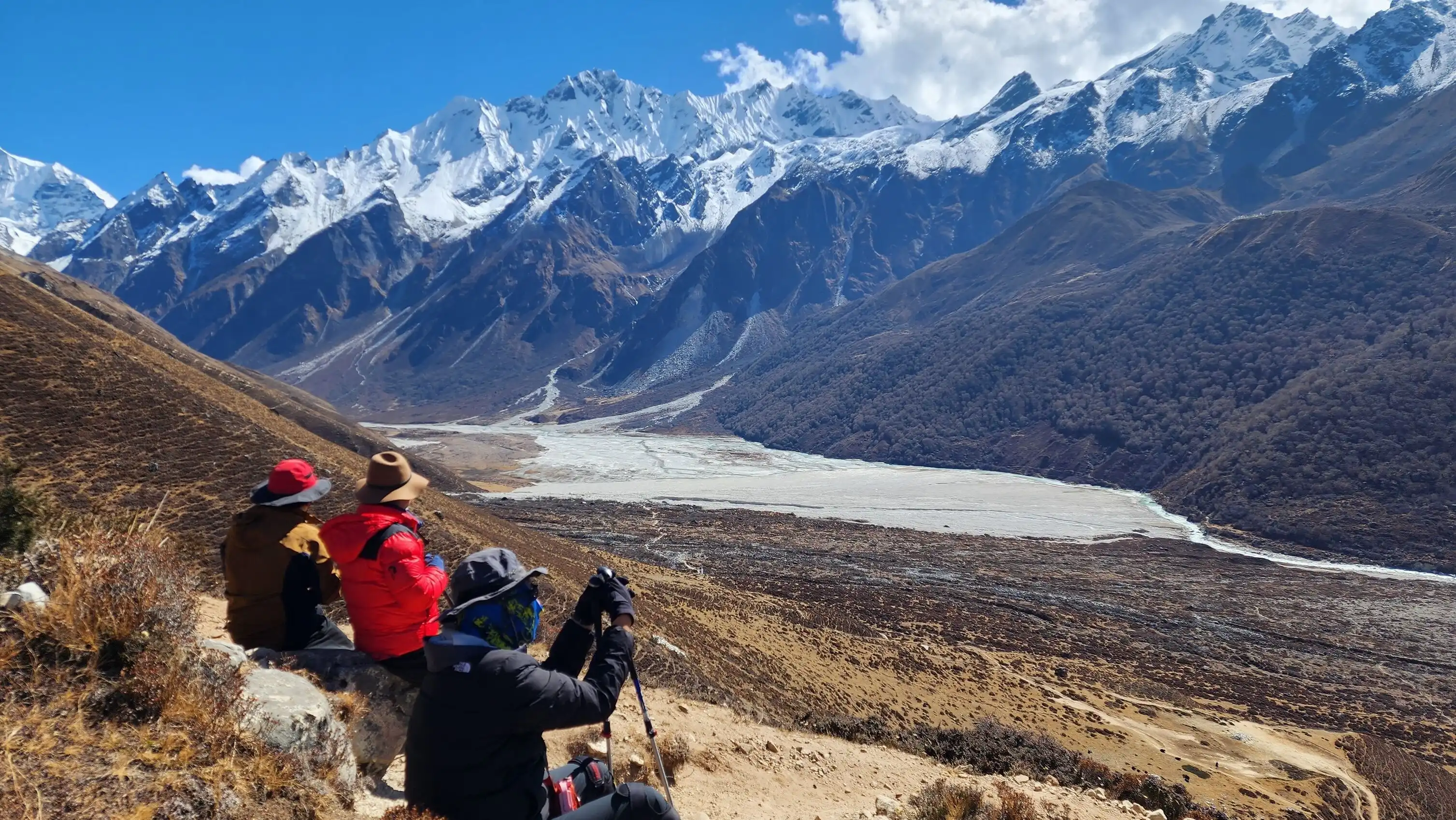
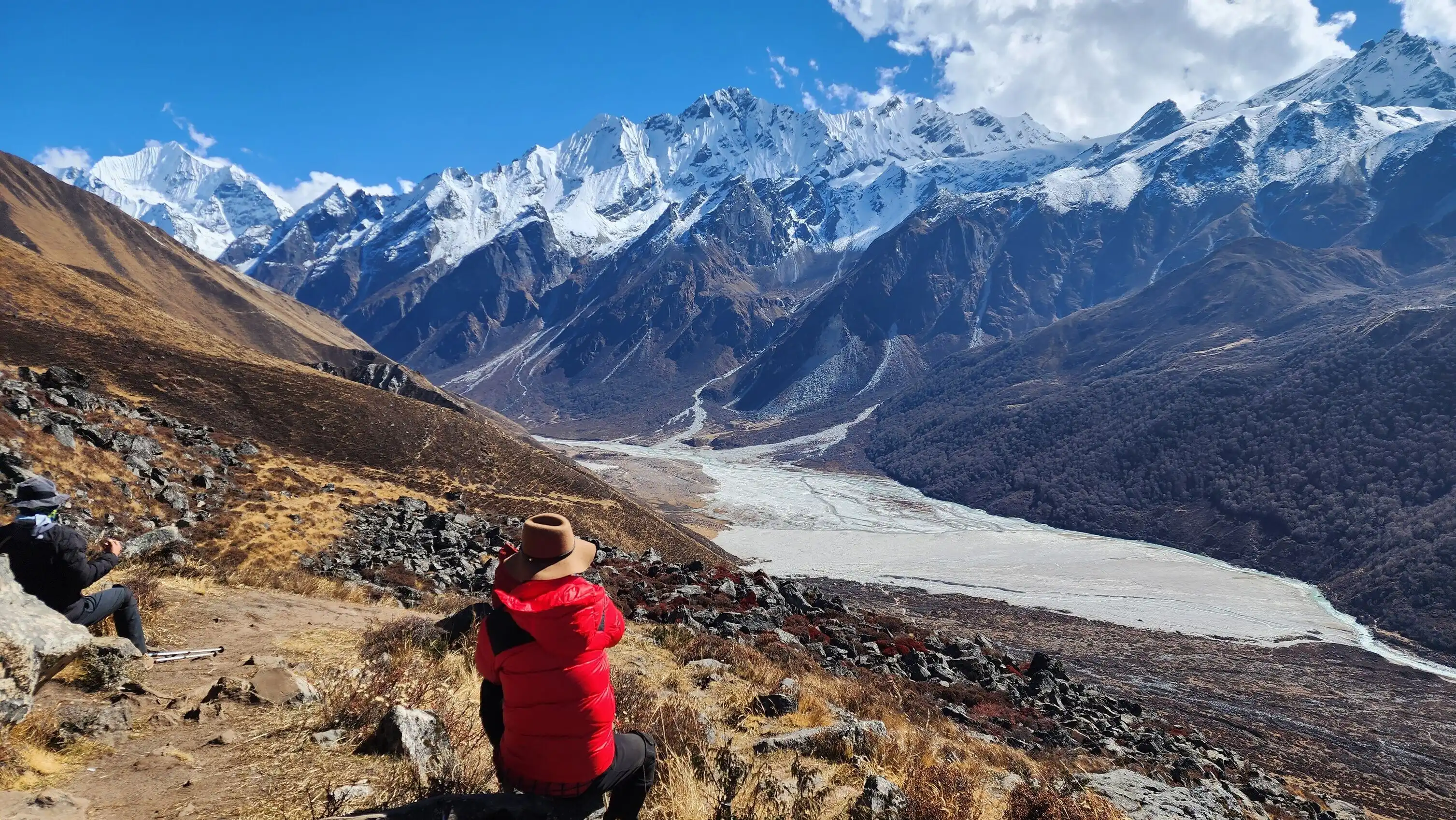
Langtang Valley is located in northern Nepal, within Langtang National Park in Rasuwa District, Bagmatic province, about 80 kilometers from the Kathmandu Valley. This valley is a well-known trekking destination for tourists from all over the world. It lies close to the border with the Tibet Autonomous Region. This valley is famous for mountain panoramas, glaciers, forests, wildlife, Buddhist culture, and authentic village life, making it one of Nepal's best trekking destinations for those seeking both natural beauty and cultural experiences. Langtang Valley, a pristine valley located 61.8 km north of Kathmandu, is a land of glacial lakes and beautiful typical villages. This valley is diverse wildlife, including red pandas, Himalayan black bears, musk deer, and many bird species.
The Langtang Valley Trek is one of the most popular treks in Nepal. The Langtang Valley Trek is famous for its stunning Himalayan scenery, rich Tamang culture, and easy accessibility from Kathmandu. It offers a perfect blend of natural beauty, cultural experiences, and high-altitude adventure without the crowds found on some of Nepal's more popular trekking routes. The Langtang Valley Trek is an excellent choice for those seeking a rewarding Himalayan adventure with breathtaking landscapes, authentic local culture, and moderate trekking difficulty. Langtang Valley trekking gives the brilliance of swiftly moving rivers in addition to the beauty of snow-capped mountain peaks, deep valleys, and thick forests. Langtang Khola, Bhote Koshi, and several other important rivers may be found traveling through the valleys of the Langtang mountain range.
Go To Himalayan Trek offers you the most convenient and fast itinerary for the Langtang Valley trek is a 7-day road-based route, highlighting Syabrubesi, Lama Hotel, and Kyanji Gompa. This option avoids domestic flights and keeps travel time short. The trek begins with a drive from Kathmandu to Syabrubesi, a scenic village nestled at the base of the Langtang region. From here, trekkers gradually ascend to Lama Hotel, Langtang Village, and finally Kyanjin Gompa.
Go to Himalayan offers beautiful views of Langtang Valley for heartfelt trekking with bird species, mountain panoramas, glaciers, and cultural experiences including glacial lakes and traditional villages with snow-capped peaks. Scenic views of Ganesh Himal, Trishuli riverside, traditional Nepalese architecture, green forests and panoramic views of hills & valley, and national park views. The highlights of the journey offer fantastic views for photography and provide good hospitality with delicious meals for traveller comfort throughout the journey.
The trek provides an immersive experience into the culture and lifestyle of the local Tamang people, visiting monasteries, local farms, and interacting with friendly villagers along the way. The panoramic views of Langtang Lirung, Ganesh Himal, and other towering peaks are some of the highlights of the journey, offering fantastic opportunities for photography and nature appreciation.
The Langtang Valley Trek feels like an ultimate adventure because it offers a perfect blend of breathtaking Himalayan scenery, challenging mountain trails, rich culture, and unforgettable experiences. As you trek through lush forests, traditional Tamang villages, and rugged alpine landscapes, you are surrounded by spectacular peaks such as Langtang Lirung, glaciers, and peaceful mountain valleys. Reaching Kyanjin Gompa at around 3,870 meters adds a rewarding high-altitude challenge, while optional climbs like Kyanjin Ri and Tsergo Ri provide even more excitement. Along the way, trekkers can experience Buddhist monasteries, prayer walls, local traditions, and the unique hospitality of Himalayan communities. Its combination of natural beauty, cultural richness, adventure, and the sense of exploring a remote Himalayan wilderness makes every day of the Langtang Valley Trek truly unforgettable.
Adventures:
What Preparation and Essential Information should you know before trekking?
The Langtang Valley Trek is a memorable Himalayan adventure that usually takes 7–10 days and costs around USD 800–1,800, depending on the services included. Good physical fitness, proper acclimatization, and suitable trekking gear are essential because the trail reaches high altitudes, with Kyanjin Gompa at about 3,870 meters. Pack warm and waterproof clothing, sturdy boots, a sleeping bag, basic medicines, and travel insurance. Spring and Autumn are generally the best seasons. Trekkers should also arrange the required permits, follow current guide regulations, respect local culture, and trek responsibly for a safe and enjoyable experience.
What are the itinerary booking process and important details?
Booking the Langtang Valley Trek with Go To Himalayan is a straightforward process that begins by choosing your preferred trekking package and travel dates. You can contact Go To Himalayan to discuss your group size, budget, fitness level, and any special requirements, allowing the itinerary to be tailored to your needs. Once the route, services, cost, and schedule are confirmed, you complete the booking and receive guidance about permits, transportation, accommodation, packing, insurance, and altitude preparation. Before departure, it is important to confirm the latest price, what is included in the package, cancellation policy, accommodation arrangements, and required documents. With the major logistics organized in advance and local guides supporting you along the trail, you can focus on enjoying the mountains, Tamang culture, peaceful villages, and spectacular Langtang landscapes.
Itinerary booking process and important details:
Choosing the Langtang Valley Trek with Go To Himalayan Trekking provides a perfect balance of adventure, comfort, and cultural immersion. Unlike standard trekking, this option prioritizes comfort without compromising the Himalayan experience. Travelers enjoy well-planned itineraries, cozy accommodations, professional guides, and delicious meals, allowing them to focus on the breathtaking landscapes and local culture.
Additionally, the trek offers a safe and well-supported experience for families, older travelers, or anyone seeking a less strenuous adventure. Go to Himalayan Trekking’s team is highly experienced in logistics, altitude management, and hospitality, ensuring that each day is smooth and enjoyable. From scenic drives to tranquil village walks and high-altitude exploration, the Langtang Valley Trek is an unforgettable Himalayan journey.
Short Points:
What is the best time to go on the Langtang Valley Trek?
The ideal time for the Langtang Valley Trek with Go To Himalayan trekking is during spring (March to May) and autumn (September to November). These months provide stable weather with clear skies, allowing for breathtaking mountain views and lush valley scenery. Spring features colorful rhododendron blooms, while autumn offers crisp air and spectacular vistas. Although trekking is possible in winter or monsoon, lodges may have limited amenities due to snow or heavy rainfall, making spring and autumn the optimal seasons for comfort and scenery.
How difficult is the Langtang Valley Trek?
The Langtang Valley Trek is considered a moderate trek, suitable for travelers with a reasonable level of fitness. Daily treks typically range from three to eight hours, with gradual ascents allowing proper acclimatization.Go To Himalayan trekking focuses on experience, ensuring a relaxed pace, well-planned rest breaks, and professional guidance throughout. While altitude can be challenging for some, the combination of experienced guides, comfortable lodges, and supportive staff makes this trek accessible to most healthy adults, including those new to trekking.
Do I need prior trekking experience to join this trek?
No prior trekking experience is necessary for the Langtang Valley Trek with Go To Himalayan Trekking. The trek is designed for beginners as well as experienced hikers. Guides provide step-by-step instructions on pacing, acclimatization, and safety. While a basic level of fitness—such as the ability to walk for several hours on uneven terrain—is recommended, the support of professional guides, porters, and accommodations ensures that even first-time trekkers can enjoy the journey safely and comfortably while soaking in the Himalayan scenery.
How is accommodation arranged during the trek?
Accommodation on the Langtang Valley Trek is carefully selected to combine comfort, warmth, and scenic surroundings. Go To Himalyan Trekking books stays in premium lodges and boutique teahouses with clean rooms, cozy bedding, hot showers, and high-quality meals where possible. Every lodging stop is chosen not only for convenience but also for its ambiance and panoramic views. tea houses often feature lounges for relaxation after trekking and spaces to enjoy the mountain scenery, creating a balance between adventure and comfort throughout the journey.
What meals are provided during the trek?
Meals on the Langtang Valley Trek are carefully planned for both nutrition and taste. Go To Himalayan Trekking ensures trekkers receive three balanced meals per day, typically including local Nepali dishes, fresh vegetables, soups, and protein-rich options. Breakfast often consists of eggs, porridge, or bread with tea or coffee, while lunch may include rice, noodles, or local delicacies. Dinner usually features hearty, warm meals to replenish energy after a day of trekking. Tea, coffee, and hot chocolate are available throughout the day for comfort and hydration.
How does Go To Himalayan Trekking ensure safety during the trek?
Safety is a top priority for Go To Himalayan Trekking. All treks are guided by experienced professionals trained in first aid and high-altitude trekking protocols. Guides monitor acclimatization, heart rates, and overall health to prevent altitude sickness. Emergency plans, including helicopter evacuation and communication equipment, are in place for unforeseen circumstances. The trek is planned with manageable daily distances and rest days, ensuring trekkers can progress safely. Lodges are chosen for hygiene and structural stability, and trekkers are briefed on safety procedures at the start of the journey.
What is the altitude of the highest point on this trek?
The highest point of the Langtang Valley Trek is Kyanjin Gompa, located at approximately 3,870 meters (12,700 feet). While this altitude is moderate compared to other Himalayan treks, it still requires proper acclimatization. Go To Himalayan Trekking incorporates gradual ascents, rest breaks, and an optional acclimatization day in Kyanjin Gompa to ensure trekkers can adjust comfortably. Guides provide tips on breathing, hydration, and pacing. Most trekkers reach this point without difficulty, enjoying panoramic views of Langtang Lirung, glaciers, and surrounding Himalayan peaks.
How fit do I need to be for the trek?
A reasonable level of fitness is sufficient for the Langtang Valley Trek. Trekkers should be able to walk 4–6 hours a day on hilly terrain with some elevation gain. Go To Himalayan Trekking emphasizes a comfortable pace, with guides encouraging frequent breaks and monitoring energy levels. Prior exercise such as hiking, jogging, or cardiovascular workouts can be helpful but is not mandatory. The combination of support staff, porters, and accommodations allows even moderate fitness individuals to enjoy the trek without undue strain while fully experiencing the Himalayas.
What should I pack for the trek?
Packing for the Langtang Valley Trek involves both comfort and practicality. Essentials include sturdy hiking boots, warm layered clothing, a waterproof jacket, gloves, hat, and sunglasses. Go To Himalayan Trekking also recommends trekking poles for stability, a small daypack, and personal items such as sunscreen, toiletries, and a reusable water bottle. Though lodges provide clean bedding and hot showers, packing lightweight layers ensures comfort in fluctuating temperatures. Electronics, cameras, and chargers are optional but recommended to capture the breathtaking mountain scenery along the route.
Are there Wi-Fi and charging facilities along the trek?
Many lodges and premium teahouses arranged by Go To Himalayan Trekking offer limited Wi-Fi and charging facilities. While connectivity may not be as fast or reliable as in Kathmandu, it is generally sufficient for checking messages, emails, or sharing updates with family. Charging is usually possible in common areas for small devices. It is advised to carry a power bank, as electricity can be inconsistent. This balance of comfort and digital access ensures trekkers can remain connected while fully immersing themselves in the serene Himalayan environment.
Can children or elderly individuals join this trek?
The Langtang Valley Trek is suitable for older adults and teenagers with a reasonable fitness level. Children under 12 are generally not recommended due to altitude and long walking days. Go To Himalayan Trekking prioritizes safety and comfort, tailoring the trek’s pace to accommodate the needs of older trekkers. Daily distances and elevation gains are moderate, with support from guides and porters. However, anyone with serious health concerns or mobility limitations should consult a doctor before joining, ensuring the trek remains enjoyable and safe for every participant.
How is altitude sickness managed during the trek?
Go To Himalayan Trekking takes altitude sickness seriously and implements preventive measures such as gradual ascents, acclimatization days, and hydration guidance. Guides are trained to recognize early symptoms like headaches, nausea, or dizziness. Trekking itineraries are designed to allow the body time to adjust naturally. In case of more severe symptoms, trekkers are advised to descend immediately, and emergency evacuation plans are in place. Oxygen and first aid kits are available at lodges and with guides. Following these measures ensures a safe and comfortable trekking experience.
Are porters included in the trek package?
Yes, Go To Himalayan Trekking provides experienced porters as part of the trekking package. Porters carry heavy luggage, allowing trekkers to walk comfortably with only a small daypack containing essentials. This service enhances the luxury experience by reducing physical strain while supporting local employment. Porters are trained in trekking safety and are familiar with the route, ensuring smooth logistics. They also assist with lodge arrangements and meals, contributing to a hassle-free and comfortable trek while maintaining ethical and fair treatment throughout the journey.
What kind of food can I expect in the lodges?
Food along the Langtang Valley Trek includes a mix of traditional Nepali dishes, continental meals, and healthy options. Go To Himalayan Trekking ensures trekkers enjoy nutritious, high-energy meals to sustain energy levels. Breakfast typically features eggs, porridge, and tea or coffee. Lunch often includes noodles, rice, and local vegetable dishes, while dinner offers hearty meals like dal bhat, soups, or pasta. Lodges may also provide snacks, fresh fruits, and hot beverages. Special dietary requirements can often be accommodated with prior notice, ensuring comfort and satisfaction for all trekkers.
Will I have access to medical care during the trek?
While the Langtang Valley is remote, Go To Himalayan Trekking ensures that first aid and basic medical facilities are accessible throughout the trek. Guides carry comprehensive first aid kits and are trained in handling altitude sickness, minor injuries, and emergencies. In case of serious medical needs, emergency evacuation plans, including helicopter rescue services, are in place. Trekkers are advised to carry personal medications and travel insurance covering high-altitude trekking. This system provides confidence and peace of mind while exploring the stunning Himalayan landscapes.
How do I reach the starting point of the trek?
The trek begins at Syabrubesi, which is approximately a 7–8 hour scenic drive from Kathmandu. Go To Himalayan Trekking arranges private transportation, allowing trekkers to travel comfortably along winding mountain roads with stunning views of rivers, forests, and rural villages. Short rest stops are included for refreshments and photography. Guides provide orientation during the drive, sharing information about the region’s culture, history, and natural beauty. This smooth transfer ensures a relaxed start to the trekking adventure while maximizing comfort and scenic enjoyment.
Is travel insurance required?
Yes, Go To Himalayan Trekking strongly recommends all trekkers obtain comprehensive travel insurance covering high-altitude trekking, emergency evacuation, medical expenses, and trip cancellations. Insurance ensures that unforeseen events, such as altitude sickness, injuries, or weather-related disruptions, do not cause undue stress or financial burden. Trekkers should carry a copy of their insurance policy and ensure it is valid for Nepal. With insurance in place, trekkers can fully enjoy and adventure of the Langtang Valley trek, knowing that professional support is available in emergencies.
Can I use a credit card or cash along the trek?
Along the Langtang Valley Trek, cash is preferred for small purchases, tips, and additional services.Go To Himalayan Trekking recommends carrying sufficient Nepali rupees for tea, snacks, and souvenirs, as most lodges and teahouses do not accept credit cards. Major expenses, such as your trek package, are settled before departure or in Kathmandu. It is advisable to keep money in small denominations and carry a secure wallet. This ensures convenience during the trek while maintaining safety and minimizing potential difficulties in remote areas.
What cultural experiences are included in the trek?
The Langtang Valley Trek offers rich cultural immersion, including visits to traditional Tibetan-style villages, Buddhist monasteries, and local festivals where timing allows. Go To Himalayan Trekking guides provide insight into local customs, religious practices, and Himalayan lifestyles. Trekkers can interact with villagers, observe traditional crafts, and experience authentic Nepali hospitality. Prayer flags, mani walls, and stone stupas along the trail offer unique cultural sights. This combination of natural beauty and cultural exposure enhances the trekking experience, making it both adventurous and educational.
Why should I choose Go To Himalayan Trekking for this trek?
Choosing Go To Himalayan Trekking ensures a seamless and premium experience on the Langtang Valley Trek. The company specializes in trekking, combining expert guides, experienced porters, carefully selected lodges, and high-quality meals. Every aspect of the trek is meticulously planned for comfort, safety, and enjoyment, from private transfers to scenic viewpoints and acclimatization strategies. With personalized attention, professional staff, and ethical practices, Go To Himalayan Trekking allows travelers to explore the Himalayas in style, comfort, and safety, creating unforgettable memories on this iconic trek.
[featured_blogs:top-trekking-adventures-in-nepal-ultimate-guide-for-2026,exploring-nepal-best-destinations-culture-and-travel-tips]
 Accommodation greeting, transportation, hotel, dinner
  Meals breakfast and dinner
 Upon your arrival at Tribhuvan International Airport, a warm welcome awaits you from the professional team of Go to Himalayan Trekking. You will be greeted with traditional Nepali hospitality and assisted with your luggage before enjoying a comfortable private transfer to your hotel in Kathmandu. After check-in, you can relax and recover from your journey in elegant surroundings, enjoying modern amenities and attentive service. In the evening, a short briefing will be arranged to introduce your trek, guides, and safety procedures. You may also enjoy a welcome dinner or a gentle stroll around the vibrant streets of Thamel, soaking in Nepal’s rich culture and atmosphere.
Accommodation hotel, teahouses, guest houses, bedding , bathrooms, electricity, wifi, hotshowers etc Meals Breakfast and All meals like daal bhat , friedrice, noodles, momos, soups etc  Max. altitude 1,550m / 5,085ft.
 After a leisurely breakfast at your hotel, you begin your scenic drive to Syabrubesi in a private vehicle arranged by Go To Himalayan Trekking. The journey takes you along winding mountain roads with breathtaking views of terraced hills, rivers, and traditional villages. You will pass through lush landscapes and enjoy short comfort stops for refreshments and photos. As the road climbs higher, the scenery becomes increasingly dramatic, with distant snow-capped peaks appearing on the horizon. Upon arrival in Syabrubesi, you will check into a carefully selected lodge offering the best available comfort in the region, allowing you to rest and prepare for the trek ahead.
Accommodation teahouses, lodges, bamboo, beds, foam mattresses & toilet Meals dal baat, thukpa, fried rice, noodles, hot drinks Max. altitude 2,380m / 7,808ft. Your trek officially begins today after a nourishing breakfast. Walking through charming villages and crossing suspension bridges over the Langtang River, the trail leads you deep into Langtang National Park. With Go To Himalayan Trekking’s experienced guides setting a relaxed pace, you can enjoy the rich forest scenery filled with oak, bamboo, and rhododendron trees. Wildlife such as monkeys and colorful birds may be spotted along the way. Lunch is served at a scenic teahouse end route. As you gain altitude, the air becomes cooler and fresher. The day ends at Lama Hotel, where a comfortable lodge, warm meals, and attentive service ensure a restful evening.
Accommodation rooms, bathrooms, dinning, hot showers Meals Breakfast and All meals like daal bhat , frie rice, noodles, momos, soups etc Max. altitude 3,430m / 11,253ft. Today’s trek offers a beautiful transition from dense forest to wide alpine landscapes. After breakfast, the trail gradually ascends through pine and rhododendron forests, opening to stunning mountain views. The sound of the river fades as the valley widens, revealing yak pastures and traditional stone houses. Go To Himalayan Trekking ensures regular breaks, hydration, and pace management for comfort and acclimatization. Passing through small settlements like Ghodatabela, you will enjoy lunch with panoramic surroundings. Upon reaching Langtang Village, you will notice the strong Tibetan influence in architecture and culture. Your lodge provides cozy rooms, warm dining areas, and spectacular views of Langtang Lirung.
Accommodation teahouses, rooms, toilets, showers Meals traditional nepali foods, tibetan food, & simple western dishes Max. altitude 3,870m / 12,697ft. This shorter trekking day allows you to walk at a relaxed pace while fully enjoying the dramatic high-altitude scenery. The trail gently ascends through yak pastures, prayer flags, and ancient mani walls. Snow-capped peaks surround the valley, creating an unforgettable Himalayan atmosphere. Your guide from Go To Himalayan Trekking will share insights into local culture, Buddhism, and daily mountain life. Upon reaching Kyanjin Gompa, you will settle into one of the finest lodges in the area. The afternoon is free to explore the monastery, visit the local cheese factory, or simply relax with tea while admiring panoramic mountain views from the comfort of your lodge.
Accommodation tea houses, yak dung stoves, toilet Meals organic foods Max. altitude 3,870m / 12,697ft. Today is dedicated to acclimatization, relaxation, and exploration, ensuring your body adjusts comfortably to the altitude. After a leisurely breakfast, you may choose optional hikes to nearby viewpoints such as Kyanjin Ri or Tserko Ri, accompanied by your experienced Go To Himalayan Trekking guide. These hikes reward you with breathtaking views of Langtang Lirung, glaciers, and surrounding peaks. Alternatively, you can explore the village, interact with locals, or enjoy quiet moments in the monastery. A warm lunch and afternoon rest help maintain energy levels. The day concludes with a hearty dinner, cozy lodge ambiance, and a peaceful night under a sky filled with stars.
Accommodation Tea houses, lodges, bathroom Meals local meal After enjoying sunrise views over the Himalayas, you begin your descent back down the Langtang Valley. Walking downhill allows you to appreciate scenery you may have missed on the ascent, including wide valleys, forests, and flowing rivers. Go To Himalayan Trekking ensures a comfortable pace with regular breaks and attentive support. Lunch is served at a scenic stop along the trail. As you re-enter the forested zone, the air becomes warmer and richer in oxygen. Reaching Lama Hotel in the afternoon, you will check into a comfortable lodge and enjoy a well-earned rest, warm shower, and satisfying meal to end the day.
Your final trekking day follows the Langtang River through lush greenery and familiar villages. The trail descends gradually, making the walk comfortable and enjoyable. You may take time to observe local life, prayer wheels, and suspension bridges along the way. With Go To Himalayan Trekking’s supportive team, the journey remains relaxed and well-organized. Lunch is enjoyed end route before reaching Syabrubesi in the afternoon. Upon arrival, you will check into a quality lodge and have time to freshen up, reflect on your trekking experience, and celebrate the successful completion of the Langtang Valley Trek with your guide and trekking companions.
Accommodation hotel, teahouses, toilet, spa Meals Breakfast and All meals like daal bhat , frie rice, noodles, momos, soups etc during the trek. After breakfast, you depart Syabrubesi in a private, comfortable vehicle arranged by Go To Himalayan Trekking. The drive retraces the scenic mountain road back to Kathmandu, offering final views of rivers, hills, and rural settlements. Regular comfort stops are included for refreshments and photos. Upon arrival in Kathmandu, you will be transferred to your hotel where you can enjoy modern comforts, hot showers, and relaxing surroundings. The rest of the day is free for souvenir shopping, spa treatments, or cultural sightseeing. In the evening, you may enjoy a farewell dinner, celebrating your Himalayan journey in style.
Accommodation private bus On your final day in Nepal, Go To Himalayan Trekking ensures a smooth and stress-free departure. After breakfast at your hotel, you will have time for last-minute shopping or relaxation, depending on your flight schedule. A private transfer will take you to Tribhuvan International Airport with ample time for check-in and formalities. As you depart, you carry unforgettable memories of majestic mountains, rich culture, and exceptional service throughout the Langtang Valley Trek. The team at Go To Himalayan Trekking bids you a warm farewell, hoping to welcome you again for another premium Himalayan adventure in the future.
Accommodation
Meals
Drinking Water
Transportation
Professional Trekking Team
Permits & Entry Fees
Trekking Equipment & Complimentary Items
Safety & Support
Taxes & Administrative Costs

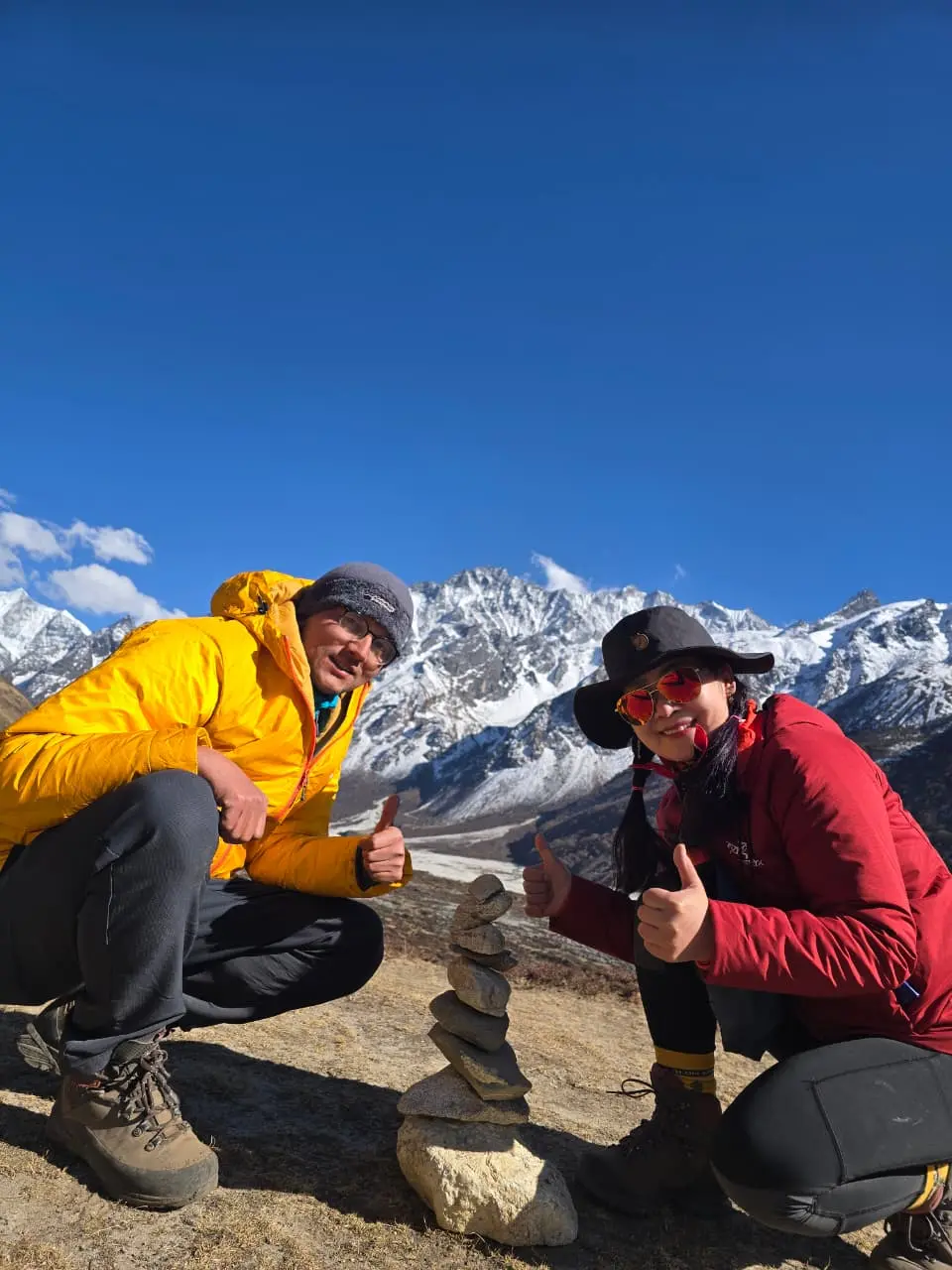


Proper layering keeps you warm, dry, and comfortable in Nepal’s unpredictable mountain weather. Layering involves base, mid, and outer layers, plus accessories.
Base Layers
Mid Layers
Outer Layers
Tips for Layering & Clothing:
Protects your head, face, and eyes from sun, wind, cold, and dust at varying altitudes:
Tips:
Lightweight items for hygiene and comfort on the trail:
Tips for Toilet Paper & Hygiene:
Always keep these items safe and accessible.
A successful Langtang Valley Trek begins with proper preparation and responsible trekking practices. Ensure you obtain all necessary permits before starting your journey and carry valid identification at all times. Acclimatize gradually to reduce the risk of altitude sickness, stay well hydrated, and avoid rapid ascent. Pack appropriate clothing for changing mountain weather, including warm layers, waterproof gear, sturdy trekking boots, and a basic first-aid kit. Carry sufficient cash, as ATMs and digital payment facilities are not available along the trekking route. Purchase travel insurance that covers high-altitude trekking. Start each day's trek early to make the most of favorable weather conditions and daylight. Respect local customs, monasteries, and the traditions of the Tamang community, and follow the principles of responsible tourism by keeping the trails clean and minimizing environmental impact. Most importantly, listen to your guide, monitor your health, and prioritize safety over reaching your destination if weather or altitude conditions become unfavorable.
The Langtang Valley trek by Go To Himalayan is a refined Himalayan journey designed for travelers seeking adventure without compromising comfort. The Langtang valley trek is a stunning, moderately difficult Himlalayan walk starting from syabrubesi , taking 7 to 8 days, and reaching a maximum elevation of 4,984 meters at Tserko Ri. Key stops include Lama Hotel, Langtang village and Kyanjin Gompa.
Unlike traditional trekking routes, this Langtang valley trek emphasizes proper acclimatization, comfort-focused accommodations, and gourmet meals. From scenic views and cultural immersion in Langtang villages to awe-inspiring mountain panoramas and aerial cultural experiencs, Go To Himalayan Trekking ensures a world-class trekking experience in Nepal’s most iconic region.
The standard route from Kathmandu to syabrubesi , starting point for classic Langtang Valley Trek where trekkers begin walking toward Lama Hotel, Langtang Village, and Kyanjin Gompa. A scenic village nestled at the base of the Langtang region. The trek provides an immersive experience into the culture and lifestyle of the local Tamang people, visiting monasteries, local farms, and interacting with friendly villagers along the way. The panoramic views of Langtang Lirung, Ganesh Himal, and other towering peaks are some of the highlights of the journey, offering fantastic opportunities for photography and nature appreciation.
Go To Himalayan provides the suitable and confortable bus to reach the destination from day 1 to complete days of trek and accomplish the hotel , tea houses, guest houses , bathrooms and facililiate requirement of trekkers.
Go To Himalayan recommended the best seasons for trekkers, with suitable environments and natural scenery at these times. The best time to visit the Langtang Valley Trek is during spring (March to May) and autumn (September to November), when the weather is stable and the mountain views are at their finest. In spring, the trails are decorated with blooming rhododendron forests, pleasant temperatures, and colorful alpine landscapes, making it an ideal season for nature lovers and photographers. Autumn offers clear blue skies, crisp air, and spectacular panoramic views of the snow-capped Himalayas after the monsoon rains, making it the most popular trekking season. Winter (December to February) is also suitable for experienced trekkers who enjoy peaceful trails and sSnowy scenery, although temperatures can drop well below freezing at higher elevations. The monsoon season (June to August) is generally less recommended due to heavy rainfall, slippery trails, leeches, and an increased risk of landslides, which may affect road access and trekking conditions. Go To Himalayan highly prefers the spring and autumn seasons for the Langtang Valley Trek who want to climb the mountains for the first time to create an adventure moment in their life.
Spring and autumn are widely considered the ideal seasons because they provide the best combination of clear weather, comfortable temperatures, and outstanding mountain views.
The Langtang Valley Trek is considered a moderate trek, making it suitable for beginners with a good level of fitness as well as experienced hikers. The trail includes several uphill and downhill sections, stone staircases, and daily walks of about 5–7 hours. The highest point, Kyanjin Ri (4,773 m) or Tserko Ri (4,984 m), can be physically demanding due to the high altitude, where the risk of altitude sickness increases. Go To Himalayan trekking focuses on experience, ensuring a relaxed pace, well-planned rest breaks, and professional guidance throughout. Regular cardio exercises and leg-strength training such as hiking, running, or cycling before the trek are recommended. With proper preparation, regular exercise before the trek, and a steady pace and adequate rest, most people can complete the Langtang Valley. Trek while enjoying its beautiful mountain scenery, forests, and traditional Tamang villages.
Go To Himalayan prioritizes the safety and comfortness to the trekker with a pace of support from porters and guides. The Langtang Valley Trek is suitable for a wide range of age groups, typically from 10 to 70 years, provided participants are in good health and have an appropriate level of fitness. Teenagers and adults with moderate fitness can usually complete the trek without difficulty, while older trekkers can also enjoy the journey if they are physically active and healthy. Children under 10 may find the long walking hours and high altitude challenging, so the trek is generally not recommended for very young hikers. Regardless of age, trekkers should prepare with regular exercise and follow a gradual pace to reduce the risk of altitude sickness.

The Langtang Valley Luxury Trek was a perfect mix of serenity, culture, and comfort. The trail was less crowded yet incredibly scenic, and the luxury touches along the way made the experience relaxing as well as adventurous. Our guide, Nikun, was excellent attentive, knowledgeable, and always one step ahead of our needs. His understanding of the mountains and local communities added real depth to the trek. Thanks to Nikun, Langtang felt not just beautiful, but meaningful.

The Langtang Valley Luxury Trek with Go To Himalayan was a beautiful balance of breathtaking Himalayan scenery and thoughtful comfort. The trail through pristine forests and traditional villages felt peaceful and authentic, and each day’s stay in well-chosen lodges made the moderate trekking surprisingly relaxing. Our guide’s insights into the mountains and local culture added real depth to the journey. Truly a memorable way to experience Langtang’s natural beauty without compromising on comfort!
Daily breakfast / Lunch is included at the hotel as part of the tour package. For other meals, guests have the option to explore a variety of local and international dining experiences. Go To Himalayan can arrange high-quality lunches and dinners at selected restaurants with advanced notice, allowing you to enjoy authentic Nepalese cuisine or international gourmet meals while maintaining the luxury standard of the tour. Special dietary requirements can also be accommodated upon request.
Get exclusive trekking deals, travel inspiration and expert tips.
Get exclusive trekking deals, travel inspiration and expert tips.


We value your privacy
We use cookies to make your trip planning smoother and improve our services. Learn more