The Langtang Gosaikunda Trek is a beautiful 14-day journey through the mountains of Nepal. During the trek, you will enjoy amazing views of snow-covered mountains, green forests, rivers, waterfalls, and peaceful valleys. The trail passes through small and traditional villages where you can see the simple lifestyle, culture, and warm hospitality of local people. As you walk higher, the scenery changes from green forests and villages to rocky mountain landscapes and beautiful alpine lakes. It features high mountain passes, rich Tamang culture, and diverse wildlife inside Langtang National Park. One of the main highlights is Gosaikunda Lake(4,380m), a sacred lake surrounded by mountains. The purpose of this trek is to enjoy the natural beauty of the Himalayas, experience local culture and village life, and explore the peaceful mountain environment.
The Langtang Gosaikunda Trek 14-day by Go To Himalayan prefers classic Himalayan adventure that perfectly combines the alpine landscapes of the Langtang Valley with the sacred, high-altitude lakes of Gosaikunda. This moderately challenging route takes you through Langtang National Park, showcasing diverse terrains ranging from lush rhododendron and bamboo forests to high mountain passes and vast glaciers.
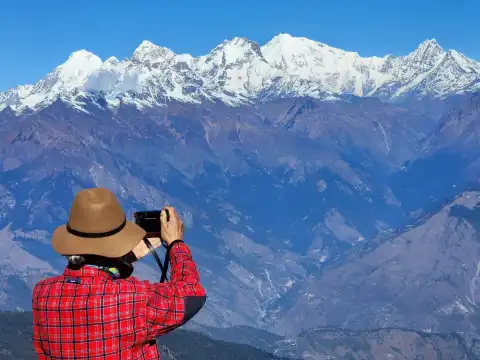
This Trek with Go To Himalayan offers a wonderful combination of natural beauty, cultural experiences, and Himalayan adventure. The journey takes you through lush forests, peaceful valleys, rivers, waterfalls, and traditional mountain villages, with breathtaking views of the snow-capped Langtang Himalayan range. Along the trail, you will experience the traditional lifestyle, culture, and warm hospitality of the Tamang and Himalayan communities. The trek also includes a visit to Kyanjin Gompa, beautiful views of the surrounding mountains, and the sacred Gosaikunda Lake. Crossing the challenging Lauribina Pass adds an exciting adventure to the journey. Overall, this trek provides an unforgettable opportunity to explore the mountains, nature, villages, culture, and spiritual beauty of the Langtang region.
The 14-day Langtang Gosaikunda Trek offers a rewarding combination of Himalayan scenery, cultural experiences, and adventure. Throughout the journey, you can expect breathtaking views of snow-capped mountains, beautiful valleys, forests, rivers, and waterfalls. The trail passes through traditional mountain villages, where you can experience the local lifestyle, culture, traditions, and warm hospitality of the Himalayan communities. You will explore the scenic Langtang Valley, visit Kyanjin Gompa, and continue towards the sacred and beautiful Gosaikunda Lake. The trek also includes the challenging crossing of Lauribina Pass, providing spectacular high-altitude mountain views. Overall, this trek is an excellent opportunity to experience the natural, cultural, and spiritual beauty of the Langtang region while enjoying an adventurous Himalayan journey.
Expect Highlights:
Preparing for the Langtang Gosaikunda Trek is about building both physical strength and a positive mindset for the Himalayan environment. Begin your preparation with regular walks, uphill hikes, and endurance exercises to become comfortable with long hours on the trail. Choose reliable trekking shoes and pack lightweight, weather-appropriate clothing to stay comfortable as temperatures and conditions change. Since the route reaches high elevations, maintain a steady walking pace, drink plenty of water, and give your body enough time to acclimatize. Carry essential personal medicines, basic first-aid items, sun protection, and other trekking necessities. Most importantly, be prepared to embrace changing weather, simple mountain facilities, and challenging trails while maintaining patience and confidence throughout the journey.
Preparation:
The Langtang Gosaikunda Trek – 14 Days is an unforgettable Himalayan adventure that brings together dramatic mountain scenery, peaceful landscapes, rich culture, and spiritual discovery. The journey leads from lush forests and traditional mountain villages into the spectacular Langtang Valley, where magnificent peaks surround the trail. As the route climbs higher, the landscape transforms into rugged alpine terrain, eventually reaching the sacred Gosaikunda Lake and the challenging Lauribina Pass. Along the way, trekkers encounter ancient monasteries, prayer flags, welcoming communities, and ever-changing Himalayan scenery. This unique combination of adventure, natural beauty, cultural immersion, and spiritual experience makes the trek a truly rewarding journey through the heart of the Himalayas.
Adventures:
What preparation and essential information should you know before trekking?
The Langtang Gosaikunda Trek – 14 Days generally costs around USD 700–1,200 per person, depending on the services, group size, and trekking package. Proper preparation includes regular walking and uphill training, comfortable trekking shoes, warm and waterproof clothing, essential medicines, and personal gear. Since the trek reaches high altitudes, trekkers should stay hydrated, maintain a steady pace, and allow enough time for acclimatization. It is also important to arrange the required permits, travel insurance, identification documents, and necessary cash before starting the journey.
What are the itinerary booking process and important details?
Booking the Langtang Gosaikunda Trek – 14 Days with Go To Himalayan is designed to be simple and convenient. Start by contacting the team with your preferred travel dates, group size, and any specific requirements. The itinerary, services, and total cost can then be discussed and confirmed before securing your trip. Once the booking is confirmed, you can prepare for the journey with guidance on permits, trekking equipment, fitness, accommodation, transportation, and travel insurance. The 14-day journey generally combines Kathmandu, Syabrubesi, Langtang Valley, Kyanjin Gompa, Gosaikunda, and the surrounding Himalayan trails, with the exact route confirmed according to your selected package. For a smooth experience, it is advisable to book in advance, provide accurate passport and travel details, arrange suitable insurance, and follow the pre-trek information provided by the trekking team.
Itinerary booking process and important details
Choosing Go To Himalayan for the Langtang Gosaikunda Trek means experiencing the Himalayas with a trusted local approach, thoughtful planning, and personal care. Our carefully designed 14-day journey combines spectacular mountain scenery, peaceful trails, traditional villages, local culture, and the spiritual beauty of Gosaikunda. With experienced trekking professionals, reliable support, and attention to safety and comfort, we aim to make every stage of the journey smooth and memorable. More than simply reaching the destination, our goal is to help you experience the authentic beauty, culture, adventure, and spirit of the Langtang Himalayas.
Choosing highlights:
Once you arrival the capital city of Nepal, Kathmandu, at Tribhuvan International Airport, our representative team of Go To Himalayan will meet you for warmly welcomed greeting and transfer to hotel with your luggage by private vehicle. You can get some rest and freshen up after checking in at the hotel. The rest of the time, you can explore the areas of Kathmandu city. In the evening, a welcome dinner is arranged by our team, and the trekking guide will provide a briefing about the Langtang Gosainkunda Trek. Proper preparation and tips can help you for the adventurous trek journey in your life.
After early breakfast, we drive from Kathmandu to Syabrubesi, the gateway to the Langtang Valley. The journey takes approx. 7–8 hours, following scenic roads through the hills and along the Trishuli River. The road follows the Trishuli River, passing through beautiful countryside, terraced fields, forested hills, and traditional mountain villages. Along the way, you will see local people working in their fields, small roadside settlements, suspension bridges, waterfalls, and green valleys. As the road climbs higher, the landscape becomes more mountainous, with spectacular views of the surrounding hills and distant Himalayan peaks on clear days. In the afternoon, we arrive at Syabrubesi, a beautiful mountain settlement surrounded by green hills. After checking into the lodge, you can relax, explore the village, and enjoy the peaceful mountain atmosphere.
After breakfast, we begin our trek from Syabrubesi to Lama Hotel, which takes around 6–7 hours. The trail follows the beautiful Langtang Khola through lush forests of rhododendron, oak, maple, and pine, with the peaceful sounds of the river, birds, and waterfalls along the way. We cross several suspension bridges and pass through small mountain settlements and terraced fields while enjoying views of green hills, rocky cliffs, waterfalls, and the surrounding valley. As we gain altitude, the landscape becomes more remote and peaceful, and the dense forest provides opportunities to see local birds and wildlife. After walking through the beautiful Langtang landscape, we arrive at Lama Hotel, a quiet settlement surrounded by forest, where we check into a teahouse, enjoy dinner, and rest for the night.
After breakfast, we start our trek from Lama Hotel to Langtang Village, which takes about 6–7 hours. The trail gradually climbs through beautiful rhododendron, pine, and oak forests while following the Langtang Khola. Along the way, we pass through small settlements, waterfalls, wooden bridges, and open meadows, enjoying views of the surrounding green hills and mountains. As we gain altitude, the forest becomes thinner, and the valley opens up, providing better views of Langtang Lirung and other snow-capped peaks. We also encounter traditional stone houses, Buddhist prayer wheels, mani walls, and local yak pastures, reflecting the unique culture and lifestyle of the mountain communities. After a scenic and rewarding walk, we reach Langtang Village, where we check into a teahouse and spend the evening relaxing in the peaceful Himalayan surroundings.
The trek starts from Langtang Village to Kyanjin Gompa, which takes about 3–4 hours. The trail goes uphill through open mountain landscapes, passing small stone houses, yak grazing areas, streams, mani walls, and prayer wheels. As we walk higher, we get beautiful views of Langtang Lirung and other snow-covered mountains. The trail is peaceful and scenic, and we can enjoy the local mountain culture and lifestyle along the way. After a short and enjoyable walk, we reach Kyanjin Gompa, a beautiful village surrounded by mountains, where we stay overnight and relax while enjoying the amazing Himalayan views.
We have an early morning start for the hike to Tserko Ri, one of the best viewpoints in the Langtang Valley. The hike takes around 7–8 hours round trip and is challenging because of the high altitude and steep trail. As we climb higher, the views become more impressive, with beautiful scenery of Langtang Lirung, Langshisha Ri, Dorje Lakpa, Yala Peak, and many other snow-capped mountains. From the top of Tserko Ri, we can enjoy a wide panoramic view of the Langtang Himalayas and surrounding valleys. After spending some time at the summit and taking photographs, we descend carefully back to Kyanjin Gompa. In the evening, we relax at the teahouse and enjoy the peaceful mountain surroundings.
After breakfast, we leave Kyanjin Gompa and trek back to Lama Hotel, which takes around 6–7 hours. The trail mostly follows the same route down through the beautiful Langtang Valley, but the views look different as we descend. We enjoy views of Langtang Lirung, green hills, forests, rivers, and waterfalls along the way. We pass through traditional villages where we can see stone houses, prayer wheels, mani walls, and local people following their traditional mountain lifestyle. The area is mainly home to Tamang and Tibetan-influenced communities, and we can observe their culture, Buddhist traditions, and simple way of life. As we walk through rhododendron, pine, and oak forests, we may also see different birds and mountain wildlife. After a pleasant downhill walk, we reach Lama Hotel, where we stay overnight and relax.
We start our trek from Lama Hotel to Thulo Syabru, which takes around 5–6 hours. The trail passes through beautiful forests, small streams, and green hills, with scenic views of the surrounding mountains and valleys. Along the way, we pass through traditional mountain villages and see stone houses, terraced fields, prayer flags, and local people working on their farms. This area is well known for its Tamang culture, and we can experience their traditional lifestyle, Buddhist customs, local dress, and warm hospitality. As we approach Thulo Syabru, the views become more open, and we can see the village spread across the hillside with beautiful mountain scenery in the background. Thulo Syabru is a popular village on the Langtang–Gosaikunda trekking route and is a great place to experience local culture and mountain life. We spend the night at a local teahouse and enjoy the peaceful village atmosphere.
In the early morning, after breakfast, we leave Thulo Syabru after breakfast and head toward Sing Gompa. The trail climbs gradually through beautiful rhododendron, pine, and oak forests, with peaceful surroundings and fresh mountain air. Along the way, we enjoy scenic views of green hills, deep valleys, and, on clear days, snow-capped mountains in the distance. We pass small settlements, farmland, prayer flags, and traditional houses, giving us a chance to observe the simple lifestyle and Tamang culture of the local people. As we climb higher, the landscape becomes quieter and more mountainous. We finally reach Sing Gompa, also known as Chandanbari, a famous stop on the Gosaikunda trekking route, well known for its Buddhist monastery and traditional local cheese production. After arriving, we check into a teahouse, explore the village, and enjoy the peaceful mountain surroundings.
After breakfast, we trek from Sing Gompa to Gosaikunda Lake, which takes about 5–6 hours. The trail climbs through forests and open mountain terrain, offering beautiful views of hills, rocky landscapes, and snow-capped peaks. As we gain altitude, the scenery becomes more rugged and peaceful. Finally, we reach Gosaikunda Lake, a sacred and beautiful alpine lake surrounded by mountains. It is an important pilgrimage site for Hindus and Buddhists. We enjoy the peaceful surroundings and stay overnight near the lake.
We explore the beautiful Gosaikunda Lake and enjoy the peaceful mountain scenery around the lake. The area offers stunning views of rocky hills, snow-covered peaks, and several small alpine lakes. Gosaikunda is also a famous Hindu and Buddhist pilgrimage site, and we can see prayer flags, shrines, and pilgrims visiting the sacred lake. After exploring the area, we begin our descent toward Chandanbari (Sing Gompa). The trail passes through open hills, forests, and small mountain settlements, where we can observe the traditional lifestyle and Tamang culture of the local people. We enjoy the fresh mountain air, beautiful landscapes, and quiet village surroundings before reaching Chandanbari for an overnight stay.
After exploring the Gosaikunda and trekking down to Chandanbari and walk downhill toward Dhunche.The trek leads through peaceful forests, green hills, terraced farmland, and traditional villages. Along the route, we can enjoy views of the surrounding valleys and mountains while observing the daily life of local communities. We see traditional stone and wooden houses, local farms, Buddhist prayer flags, and villagers following their customs and traditions. The journey also gives us a chance to experience the Tamang culture, including their friendly hospitality, traditional lifestyle, religious practices, and strong community values. After a scenic walk through the countryside, we arrive at Dhunche, a busy local town and an important gateway to the Langtang and Gosaikunda region.
After breakfast, we drive from Dhunche to Kathmandu, which takes around 6–7 hours. The journey follows scenic mountain roads along the Trishuli River, passing through green hills, terraced fields, forests, and traditional villages. Along the way, we can enjoy the changing landscapes and observe the local lifestyle, farms, and settlements. After reaching Kathmandu, we check into the hotel and have the rest of the day free to relax or explore the city.
After breakfast, you will have some free time to relax or do some last-minute shopping in Kathmandu. According to your flight schedule, our representative will transfer you to Tribhuvan International Airport for your final departure. This marks the end of your 14-day Langtang Gosaikunda Trek, with wonderful memories of the Himalayan landscapes, traditional villages, local culture, and mountain adventure.
Accommodation
Meals
Drinking Water
Transportation
Professional Trekking Team
Permits & Entry Fees
Trekking Equipment & Complimentary Items
Safety & Support
Taxes & Administrative Costs
The Langtang Gosaikunda Trek 14 Days is a moderate to challenging high-altitude trek and requires good physical fitness and proper preparation. Weather and trail conditions in the Himalayas can change quickly, so the itinerary may need to be adjusted for safety. Trekkers should follow their guide’s instructions, maintain a steady pace, stay hydrated, and allow sufficient time for acclimatization. Carrying suitable trekking gear, personal medicines, travel insurance, and valid documents is essential. Accommodation and facilities in the mountain areas are generally basic, and trekkers should be prepared for long walking days and changing temperatures. With proper preparation, flexibility, and a positive attitude, the trek can be a safe and rewarding Himalayan experience.
Mode of Trekking
The Langtang Gosaikunda Trek 14 Days is a walking-based Himalayan adventure where most of the journey is completed on foot along natural mountain trails. The trek begins with a scenic drive to Syabrubesi, followed by several days of walking through forests, valleys, traditional villages, and high-altitude landscapes. Along the route, trekkers stay mainly in local teahouses and lodges and walk for approx. 5–7 hours per day, depending on the trail and altitude. The journey includes some steep and challenging sections, particularly around Gosaikunda and Lauribina Pass, making a reasonable level of fitness important. The trek combines comfortable walking days with gradual altitude gain, allowing trekkers to enjoy the scenery, local culture, and peaceful Himalayan surroundings at a natural pace.
Trekking Grade
This trek is graded Moderate to Challenging. The trek involves several hours of walking each day, with a mixture of gradual trails, steep climbs, rocky paths, and high-altitude sections. The most demanding part is the ascent to Gosaikunda and the crossing of Lauribina Pass, which reaches approximately 4,600 m. Good physical fitness, regular walking practice, proper acclimatization, and a steady pace are recommended. With adequate preparation and guidance from experienced trekking professionals, the trek is suitable for active trekkers seeking a rewarding Himalayan adventure.
Highest Points
The highest point of the Langtang Gosaikunda Trek is Lauribina Pass ( 4,610m /15,125ft). Reaching the pass is one of the most challenging and rewarding parts of the trek, offering spectacular panoramic views of the surrounding Himalayan peaks, valleys, and high-altitude landscapes. The journey to this elevation requires good physical preparation, a steady walking pace, and proper acclimatization.
Permits & Entry Requirements
Trekkers undertaking the Langtang Gosaikunda Trek 14 Days are required to obtain the necessary permits before entering the trekking area. The main requirements include the Langtang National Park Entry Permit and a TIMS (Trekkers’ Information Management System) Card. Trekkers should carry a valid passport, appropriate travel insurance, and copies of essential travel documents throughout the journey. A licensed trekking guide is also required for this route under Nepal’s current trekking regulations. These permits and necessary arrangements can generally be managed through a registered trekking agency before the trek, ensuring a smooth and properly organized trekking experience.
Health & Safety Guidelines
Stay fit, hydrated, and alert throughout the Langtang Gosaikunda Trek. Walk at a steady pace and allow your body enough time to adjust to the increasing altitude. Carry essential medicines, basic first-aid supplies, sun protection, and suitable clothing for changing weather. Always follow your guide’s advice, take altitude-related symptoms seriously, and avoid pushing beyond your limits. Comprehensive travel insurance with high-altitude and emergency evacuation coverage is highly recommended for a safe and worry-free journey.
Altitude Sickness Awareness
Altitude sickness can occur as you gain elevation, particularly around Gosaikunda and Lauribina Pass. To reduce the risk, ascend gradually, stay hydrated, maintain a steady pace, and allow enough time for acclimatization. Common symptoms include headache, dizziness, nausea, tiredness, and shortness of breath. If symptoms worsen, inform your guide immediately and descend to a lower altitude when necessary.
Good Weather & Climate Guidance
The best weather for the Langtang Gosaikunda Trek is generally during spring (March–May) and autumn (September–November), when the skies are clearer and mountain views are excellent. Weather can change quickly at higher elevations, so trekkers should carry warm layers, waterproof clothing, and suitable trekking gear. Trekkers should check forecasts and seasons for the trek is safe, and they can experience Himalayan adventure.
Packing Essentials
Pack light but smart for the Langtang Gosaikunda Trek. Essential items include sturdy trekking boots, warm and waterproof clothing, a comfortable backpack, sleeping bag, water bottle, sunglasses, sunscreen, headlamp, first-aid kit, personal medicines, trekking poles, and important documents. Choose lightweight, practical gear to stay comfortable throughout the changing Himalayan conditions.
Local Customs & Etiquette
Respect for local culture, traditions, and the mountain environment is important throughout the Langtang Gosaikunda Trek. Dress modestly, greet local people politely, and ask permission before taking photographs of people or religious sites. Remove your shoes when required at monasteries, avoid disturbing prayer areas or sacred places, and walk respectfully around temples and shrines. Avoid littering, respect local customs, and follow your guide’s advice to ensure a responsible and culturally respectful trekking experience.
Emergency Contacts & Support
During the Langtang Gosainkunda Trek, trekkers should keep their guide’s contact details and emergency information readily available. In case of illness, injury, or severe weather, inform the trekking guide immediately so that appropriate assistance can be arranged. Carry a fully charged phone or power bank, and ensure your travel insurance includes high-altitude emergency evacuation. Your trekking agency and guide should remain the primary source of support throughout the journey.
Transportation & Accessibility
The Langtang Gosaikunda Trek 14 Days begins with a scenic overland journey from Kathmandu to Syabrubesi, the main gateway to the Langtang region. From Syabrubesi onward, the trek is completed on foot through mountain trails, villages, forests, and high-altitude landscapes. The route includes some steep and uneven sections, so a reasonable level of fitness and comfortable trekking footwear are recommended. At the end of the trek, transportation is arranged from the trail endpoint back to Kathmandu.
Accommodation Options
Accommodation during the Langtang Gosaikunda Trek 14 Days is mainly provided in traditional teahouses and local lodges along the trekking route. These offer simple, clean rooms with basic facilities and shared bathrooms in many locations. Some teahouses provide dining areas where trekkers can enjoy warm local meals and relax after a day of walking. As you reach higher elevations, facilities become more basic, so travelers should be prepared for simple mountain accommodation and limited services.
Travel Insurance Recommendations
Travel insurance is highly recommended for the Langtang Gosaikunda Trek, particularly because the route reaches high altitudes and includes remote mountain areas. Choose a policy that covers high-altitude trekking, medical treatment, emergency helicopter evacuation, trip cancellation, and baggage loss or delay. Before departure, carefully review the policy’s altitude limits and exclusions to ensure it provides suitable protection for the entire trek.

Get exclusive trekking deals, travel inspiration and expert tips.
Get exclusive trekking deals, travel inspiration and expert tips.


We value your privacy
We use cookies to make your trip planning smoother and improve our services. Learn more